Business
MataRecycler: Transforming Waste into Sustainable Value

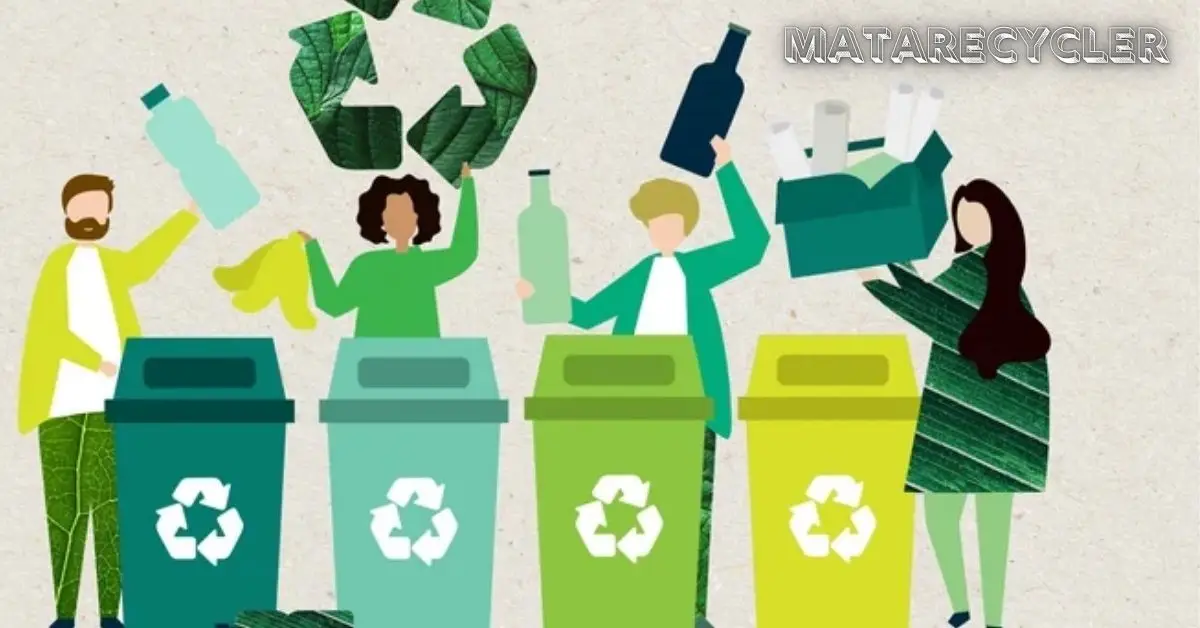
In a world where environmental concerns are shaping the way businesses and individuals operate, innovative recycling solutions are becoming more important than ever. MataRecycler has emerged as a term associated with smarter waste handling, circular economy practices, and sustainable material recovery. Whether you are a homeowner, a manufacturing company, or an eco-conscious entrepreneur, understanding how MataRecycler works can help you reduce waste and create value from discarded materials. This concept is more than just recycling—it represents a practical approach to turning environmental responsibility into measurable economic and social benefits.
Understanding What MataRecycler Means
MataRecycler refers to a modern recycling approach focused on collecting, sorting, processing, and repurposing materials that would otherwise end up in landfills. Rather than viewing waste as a burden, this system treats it as a valuable resource. Plastics, metals, paper, glass, and even electronic components can be recovered and transformed into usable raw materials for new products. This strategy supports both environmental protection and economic growth by reducing the need for virgin resources.
The concept behind MataRecycler aligns with the principles of the circular economy, where products and materials are kept in use for as long as possible. Instead of a linear model of “take, make, and dispose,” resources are continuously cycled back into production. By emphasizing resource efficiency and sustainable consumption, MataRecycler helps organizations and communities reduce their ecological footprint while also lowering costs and creating jobs in the recycling sector.
Will You Check This Article: Fascisterne: Origins, Rise and Legacy Explained
How MataRecycler Supports the Circular Economy
The circular economy is a system designed to eliminate waste and maximize the use of resources. MataRecycler plays a critical role in this model by ensuring that discarded materials are recovered and reintroduced into manufacturing processes. This reduces dependence on natural resource extraction, which often involves significant environmental damage such as deforestation, mining, and water pollution. Through efficient recycling systems, materials maintain their value over multiple life cycles.
Businesses that adopt circular practices often gain a competitive advantage. Recycled materials can be cheaper and more stable in price than newly sourced alternatives. Consumers are also increasingly attracted to brands that prioritize sustainability. By integrating MataRecycler into operations, companies can demonstrate environmental leadership while improving operational efficiency. This dual benefit makes recycling not just an ethical choice, but a strategic business decision.
The Recycling Process Behind MataRecycler
The recycling journey begins with collection. Waste materials are gathered from homes, offices, factories, and public facilities. Once collected, these materials are transported to sorting centers where advanced technologies such as conveyor belts, magnets, optical scanners, and air classifiers separate items according to type and quality. Proper sorting is essential because contamination can reduce the effectiveness and value of recycled outputs.
After sorting, the materials undergo processing. Plastics are shredded and melted into pellets, metals are smelted and refined, paper is pulped and de-inked, and glass is crushed and remolded. The processed materials are then sold to manufacturers that use them to create new products. Through this systematic approach, MataRecycler ensures that waste is transformed into practical resources, closing the loop between consumption and production.
Environmental Benefits of MataRecycler
One of the most significant advantages of MataRecycler is its positive environmental impact. Recycling reduces the amount of waste sent to landfills, which helps minimize soil contamination and methane emissions. Methane is a potent greenhouse gas that contributes to climate change. By diverting recyclable materials away from disposal sites, communities can reduce long-term environmental risks and preserve land for other uses.
Recycling also conserves energy and natural resources. Producing aluminum from recycled material, for example, uses substantially less energy than producing it from raw bauxite ore. Similar savings apply to steel, paper, and plastic. MataRecycler helps lower carbon emissions, reduce water consumption, and limit habitat destruction. These outcomes make recycling a powerful tool in global sustainability efforts and climate action strategies.
MataRecycler for Businesses and Industries
For businesses, MataRecycler offers a practical path to sustainability and cost reduction. Manufacturing facilities generate large volumes of scrap materials, packaging waste, and obsolete equipment. By implementing structured recycling systems, companies can recover value from these materials while reducing disposal expenses. In some cases, recyclable waste becomes a source of revenue rather than a cost center.
Industrial recycling also enhances corporate reputation. Investors, customers, and regulators increasingly expect companies to demonstrate responsible environmental practices. Adopting MataRecycler can help businesses meet environmental, social, and governance (ESG) goals, comply with regulations, and strengthen relationships with stakeholders. In competitive markets, sustainability credentials can influence purchasing decisions and attract long-term customer loyalty.
Technological Innovations Driving Recycling Efficiency
Modern recycling depends heavily on technology. Artificial intelligence and machine learning systems can identify and sort materials with impressive speed and accuracy. Robotics improve workplace safety and efficiency by handling repetitive or hazardous tasks. Sensors and data analytics provide real-time insights into waste volumes, contamination rates, and operational performance, enabling better decision-making and process optimization.
Digital platforms also make recycling more accessible. Mobile apps can connect users with collection services, provide educational resources, and reward sustainable behavior. Internet of Things (IoT) devices can monitor bins and schedule pickups when needed, reducing transportation costs and emissions. Through these innovations, MataRecycler becomes more efficient, scalable, and responsive to the growing demand for sustainable waste management solutions.
Challenges and Opportunities in Sustainable Recycling
Despite its benefits, recycling systems face several challenges. Contamination remains one of the biggest issues, as improperly sorted waste can reduce the quality of recycled materials. Market fluctuations can also affect the profitability of recycling operations, especially when prices for raw materials fall. In some regions, limited infrastructure and lack of public awareness hinder participation and reduce recovery rates.
These challenges also create opportunities for innovation and education. Governments can support recycling through policies, incentives, and investment in infrastructure. Businesses can redesign products to be easier to recycle and use more sustainable packaging. Consumers can contribute by sorting waste correctly and choosing products made from recycled materials. MataRecycler represents a collaborative approach where every stakeholder plays a role in building a cleaner and more resource-efficient future.
Conclusion
MataRecycler symbolizes a forward-thinking approach to waste management that turns discarded materials into valuable resources. By supporting the circular economy, reducing environmental harm, and creating economic opportunities, this recycling model offers meaningful benefits for individuals, businesses, and society as a whole. As technology continues to improve and awareness grows, the potential of MataRecycler will only expand.
Embracing MataRecycler is a practical step toward a more sustainable world. Whether you are reducing household waste, improving industrial efficiency, or launching an environmentally responsible business, recycling can deliver long-term value. When waste is viewed as a resource rather than a problem, communities move closer to a future where sustainability and prosperity go hand in hand.
Read More: Dollartimes.co.uk


Sodziu: Exploring the Meaning, Culture, and Digital Rise

Smoothiepussit: Exploring the Meaning, Appeal, and Online Buzz

Hormita: Meaning, Origins, and Why It Captivates Minds

Dulcfold.com Reviewed: Smart Foldable Living or Empty Promise?

Senaven: The Art of Turning Your House Into a Serene Haven

Pagliaesque: The Bold, Provocative Style That Changed Cultural Criticism
-
 Tech5 days ago
Dulcfold.com Reviewed: Smart Foldable Living or Empty Promise?
-
 Travel5 days ago
Senaven: The Art of Turning Your House Into a Serene Haven
-
 Blog5 days ago
Pagliaesque: The Bold, Provocative Style That Changed Cultural Criticism
-

 Tech2 days ago
Enntal: The Future of Digital Intelligence and Growth
-

 Tech5 hours ago
Gessolini: Meaning, Uses, and Cultural Significance
-
 Blog4 hours ago
Hormita: Meaning, Origins, and Why It Captivates Minds
-
 Tech5 days ago
FiberNL: The Independent Fiber Provider Reshaping Dutch Internet
-

 Entertainment5 days ago
Caricatronchi: The Bold Digital Art Style Redefining Identity