Few countries wear their relationship with water quite as openly as Finland, where a single word, veneajelu, captures an entire philosophy of slowing down and simply drifting across a lake at the end of a long day. Built from “vene,” meaning boat, and “ajelu,” suggesting a leisurely ride or outing, the term translates plainly to boat ride, yet its meaning runs far deeper for the people who grew up surrounded by the country’s endless lakes and archipelagos. It is less about destination and more about the quiet rhythm of moving gently across open water, away from screens and city noise. For travelers curious about Finnish culture or anyone craving a more peaceful way to spend a summer evening, this tradition offers a genuinely refreshing perspective.
Understanding What Veneajelu Really Means
At its most literal level, the term simply describes the act of taking a boat out for a ride, but reducing it to that single translation misses the cultural weight the word carries within Finland itself. The experience brings together movement, scenery, silence, and the simple pleasure of being outdoors, qualities that resonate strongly in a country where nature remains deeply woven into everyday life rather than treated as something separate from it. Unlike formal boating terminology focused on speed, technical skill, or competitive racing, this word carries a distinctly unhurried tone, suggesting something closer to a gentle evening row than a purposeful journey with a fixed destination in mind.
This slower, more contemplative quality is precisely what distinguishes the tradition from boating culture found in many other countries, where recreational watercraft often emphasize performance or luxury above quiet enjoyment. In Finland, a short trip across a calm lake, a family outing to a nearby island, or a scenic cruise along the coast all fall comfortably under this same umbrella term. The emphasis rests squarely on the experience itself, the sound of water against the hull, the surrounding forest reflected on the surface, rather than any particular achievement or itinerary that needs to be completed by the end of the outing.
Will You Check This Article: Priority Infrastructure Plan: Building Tomorrow Today
Why Water Defines Finnish Identity
Finland’s landscape practically demands this kind of relationship with water, given that the country is often nicknamed the land of a thousand lakes, though the actual number sits closer to 188,000 scattered across its territory. Combined with a coastline that opens into one of the largest archipelago regions in the world, water is never far from daily life for most Finnish residents, regardless of where they happen to live. This sheer abundance of lakes, rivers, and coastal inlets has shaped not just recreational habits but a broader cultural identity where water functions as something far more meaningful than simple background scenery.
Historically, boats served as essential tools for transportation, fishing, and communication between scattered communities long before modern roads connected the country’s more remote regions. That practical dependence on water travel gradually evolved into today’s recreational tradition, as improved infrastructure reduced the necessity of boats for everyday transport while the cultural attachment to being on the water remained firmly intact. Generations of Finnish families have passed down their own boating customs and favorite routes, creating a living tradition that bridges practical history with modern leisure in a way that still feels genuinely rooted rather than manufactured for tourism purposes.
Popular Ways People Experience the Tradition
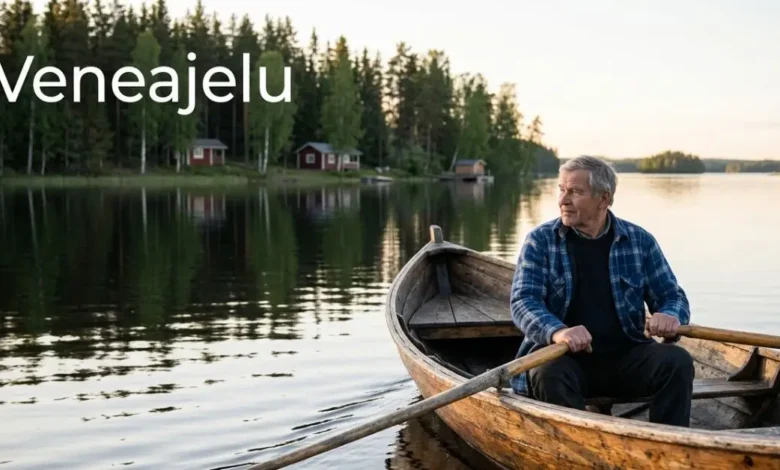
Lake excursions represent perhaps the most classic version of this experience, with families and friends heading out onto one of the country’s countless inland lakes for anything from a brief evening row to a full afternoon of relaxed exploration. These trips often involve nothing more elaborate than a simple wooden rowboat or a modest motorboat, since the appeal lies far more in the surrounding tranquility than in any particular vessel’s speed or luxury features. Many Finns treat these outings as a natural extension of cabin life, pairing a quiet ride across the water with traditional activities like fishing, swimming, or an evening sauna session by the shore.
Coastal and archipelago trips offer a different flavor of the same tradition, particularly around cities like Helsinki, where the Baltic Sea coastline opens into countless small islands worth exploring by boat. A trip through this scattered archipelago reveals hidden bays, small fishing villages, and untouched islands that feel worlds away from urban life despite sitting just a short distance from the capital. Luxury yacht experiences and organized sightseeing cruises have also grown in popularity among visitors seeking a more curated introduction to Finnish waters, offering guided routes complete with scenery commentary for those less familiar with navigating the coastline independently.
The Tourist Appeal of Finnish Boat Rides
International visitors increasingly seek out this experience specifically because it offers something genuinely rare within modern travel: unhurried peace rather than a packed itinerary of must-see attractions. Instead of rushing between crowded landmarks, a guided outing on the water allows travelers to witness untouched landscapes, spot local wildlife, and simply absorb the quiet rhythm that defines so much of Finnish life outside its cities. Tour operators across the country have responded to this growing interest by offering packages ranging from simple guided lake trips to more elaborate combinations that pair time on the water with sauna experiences and traditional storytelling.
Seasonal variation adds another compelling dimension for visitors, since summer trips through sunlit archipelagos feel entirely different from winter excursions across frozen lakes, where ice boating and rides along cleared waterways create an almost otherworldly atmosphere. Many tour providers now design experiences around this seasonal contrast, allowing repeat visitors to encounter a genuinely different side of the same landscape depending on when they choose to travel. This adaptability across seasons has helped extend interest well beyond the traditional summer tourism window, drawing visitors curious about experiencing Finland’s waterways during its quieter, colder months as well.
Boats and Vessels Used Across the Country
Traditional wooden rowboats remain a beloved fixture of this culture, valued as much for their simplicity and connection to older boating customs as for their practical function on calm inland lakes. Many families maintain these older wooden vessels as cherished heirlooms, often kept at summer cottages and used specifically for the kind of slow, reflective outings the tradition centers around rather than for any serious transportation needs. Their unhurried pace and quiet handling suit the contemplative spirit of the activity particularly well, reinforcing the idea that speed was never really the point of heading out onto the water in the first place.
Modern motorboats and sailboats have naturally become more common as well, offering greater range and comfort for longer coastal trips or archipelago exploration that a simple rowboat couldn’t practically cover. More recently, electric boats have started gaining popularity specifically because their silent operation preserves the peaceful atmosphere that makes the whole tradition so appealing in the first place, while also reducing environmental impact across sensitive lake and coastal ecosystems. This shift toward quieter, more sustainable vessels reflects a broader environmental consciousness increasingly present throughout Finnish outdoor culture, where minimizing disruption to the surrounding natural environment carries real cultural weight.
Sustainability and Environmental Considerations
As recreational boating has grown in popularity, particularly among international visitors, sustainable practices have become an increasingly important part of how the tradition is presented and experienced. Tour operators promoting eco-friendly boating options emphasize minimizing environmental footprint, supporting local ecosystems, and preserving the untouched quality of the lakes and coastlines that make the experience so appealing in the first place. This focus on sustainability aligns naturally with the tradition’s underlying values, since an activity centered on appreciating quiet, undisturbed nature would lose much of its meaning if pursued in a way that damaged the very environment it celebrates.
Local communities along popular routes have also taken active steps to protect fragile island ecosystems and lake environments from the pressures of increased tourism traffic, balancing genuine economic benefits against the need to preserve these landscapes for future generations. Encouraging slower, quieter forms of travel across the water, rather than high-speed excursions, naturally supports these conservation goals while simultaneously delivering the more authentic, relaxed experience most visitors are actually seeking. This alignment between environmental responsibility and genuine visitor satisfaction has helped sustainable practices take root organically rather than feeling like an externally imposed restriction on the tradition.
Conclusion
Veneajelu captures something that feels increasingly rare in modern life: genuine permission to slow down, disconnect from constant digital noise, and simply exist quietly on open water surrounded by nature. Rooted in Finland’s deep historical relationship with its thousands of lakes and sprawling coastline, the tradition has evolved gracefully from practical necessity into a cherished form of leisure that still carries real cultural meaning today. Whether experienced through a simple evening row on a calm inland lake, a guided cruise through Helsinki’s archipelago, or a winter journey across frozen waterways, the underlying spirit remains consistent across every version of the experience. For travelers and locals alike, embracing this unhurried approach to being on the water offers a genuinely restorative escape, one that continues drawing people back to Finland’s lakes and coastlines year after year.
Read More: Buzzbio.co.uk