
Blog
Exploring Tasyyblack: A Deep Dive Into Digital Innovation and Modern Identity


In today’s rapidly evolving digital landscape, new concepts and platforms are emerging that reshape how people interact, create, and build identity online. Among these evolving ideas, tasyyblack stands out as a term that represents innovation, digital transformation, and modern online expression. It reflects how technology and creativity blend together to form unique ecosystems where users engage in new and meaningful ways.
The rise of tasyyblack has sparked curiosity across digital communities, especially among those interested in branding, online culture, and emerging tech identities. While the concept may appear abstract at first, it carries deeper implications about connectivity, personalization, and digital presence in the modern world.
Understanding tasyyblack requires looking beyond surface-level interpretation and diving into its structure, purpose, and evolving applications. It is not just a keyword—it symbolizes a broader shift in how digital experiences are being designed and consumed.
As we explore this topic in detail, we will break down its meaning, functionality, and relevance in today’s interconnected environment. This article will guide you through every essential aspect of tasyyblack, helping you understand why it is gaining attention and how it fits into the digital future.
Tasyyblack and Its Core Digital Identity
At its foundation, tasyyblack represents a conceptual framework built around digital identity and modern expression. It is often associated with innovation in online branding, where individuality meets structured digital systems. The idea behind tasyyblack is not limited to one function; instead, it extends into multiple digital dimensions.
In many interpretations, tasyyblack symbolizes a fusion of creativity and structured technology. It reflects how users and platforms shape identity through content, visuals, and interaction. This makes tasyyblack a flexible and evolving concept rather than a fixed definition.
Another key aspect of tasyyblack is its adaptability. It can represent systems, ideas, or branding approaches depending on context. This versatility allows tasyyblack to remain relevant across different industries and digital spaces.
Ultimately, understanding tasyyblack begins with recognizing its role as a modern digital identity marker that evolves alongside technological progress.
Will You Check This Article: Serlig Explained: Meaning, Uses, and Growing Importance
The Origin and Evolution of Tasyyblack
The origin of tasyyblack can be traced to the growing need for unique digital identifiers in an overcrowded online environment. As digital spaces expanded, the demand for distinctive naming systems and identity structures increased, giving rise to concepts like tasyyblack.
Over time, tasyyblack evolved from a simple idea into a broader representation of digital transformation. It began to symbolize not just a name but a system of meaning that connects branding, technology, and user interaction.
The evolution of tasyyblack also reflects shifts in online culture. As communities became more focused on personalization and aesthetic identity, tasyyblack gained symbolic importance as a representation of modern digital uniqueness.
Today, tasyyblack continues to evolve, adapting to new technological trends such as AI-driven branding, decentralized identity systems, and immersive digital platforms.
Key Features Defining Tasyyblack Systems
One of the most notable aspects of tasyyblack is its structured yet flexible feature set. These features make it suitable for various digital applications, from branding systems to creative frameworks.
A core feature of tasyyblack is adaptability, allowing it to function across multiple digital environments. Whether used in design, branding, or conceptual modeling, tasyyblack maintains consistency while allowing customization.
Another important feature is scalability. tasyyblack can expand or contract depending on user needs, making it suitable for both small creative projects and large digital ecosystems.
Additionally, tasyyblack often emphasizes aesthetic coherence. This means that visual and conceptual harmony is central to its design philosophy, ensuring a unified digital identity across platforms.
Benefits of Using Tasyyblack in Digital Ecosystems
The benefits of tasyyblack extend across several areas of digital development. One of its primary advantages is enhanced identity creation, helping users and brands establish a distinct online presence.
Another benefit of tasyyblack is improved engagement. By offering a structured yet creative framework, it encourages interaction and user participation in digital environments.
tasyyblack also supports innovation by allowing creators to experiment with different styles, systems, and branding approaches without losing coherence. This flexibility makes it highly valuable in modern digital design.
Furthermore, tasyyblack enhances consistency, ensuring that all digital elements align with a unified identity system, which is essential for long-term branding success.
Applications and Use Cases of Tasyyblack
The practical applications of tasyyblack are diverse and expanding. In digital branding, it is used to create cohesive identity systems that stand out in competitive environments.
In creative industries, tasyyblack serves as a conceptual tool for designing visuals, narratives, and interactive experiences. It helps unify different creative elements under a single identity structure.
Technology platforms also utilize tasyyblack principles to enhance user experience design. By applying its framework, developers can build more intuitive and visually consistent systems.
Additionally, tasyyblack plays a role in digital marketing strategies, where branding consistency and identity recognition are critical for audience engagement and retention.
Technological Foundations Behind Tasyyblack
The technological side of tasyyblack is rooted in modern digital architecture and adaptive systems. It often integrates principles from AI, data structuring, and user experience design to create flexible frameworks.
One key aspect of tasyyblack technology is its reliance on modular systems. These allow different components to function independently while still contributing to a unified structure.
Another important element is automation. tasyyblack systems often incorporate automated processes that enhance efficiency, reduce manual effort, and improve scalability.
Moreover, tasyyblack aligns with emerging technologies like cloud computing and decentralized networks, making it suitable for future-ready digital ecosystems.
Challenges and Future Potential of Tasyyblack
Despite its advantages, tasyyblack also faces certain challenges. One major challenge is interpretation, as its conceptual nature can lead to varied understandings across different users.
Another challenge is standardization. Because tasyyblack is flexible, creating a universal framework can be difficult, especially in large-scale digital systems.
However, the future potential of tasyyblack is significant. As digital ecosystems continue to evolve, tasyyblack could become a foundational model for identity-based design and branding systems.
With advancements in AI, immersive technologies, and digital personalization, tasyyblack is likely to gain even greater relevance in shaping future online experiences.
Conclusion
tasyyblack represents more than just a digital concept—it symbolizes a shift toward flexible, identity-driven, and innovative online systems. Its influence can already be seen across branding, design, and technology landscapes.
As digital environments continue to expand, tasyyblack will likely play an increasingly important role in shaping how identities are created and maintained. Its adaptability ensures that it remains relevant in a constantly changing digital world.
The future of tasyyblack lies in its ability to merge creativity with structure, offering a balanced approach to digital expression and technological growth. Ultimately, tasyyblack stands as a powerful representation of modern digital evolution and the endless possibilities of online innovation.
Read More: Appsot.co.uk

In today’s rapidly evolving world of sustainable living, natural materials are gaining renewed attention for their ability to combine comfort, efficiency, and environmental responsibility. Among these innovations, wollmatten have emerged as a compelling solution for eco-conscious builders and homeowners seeking healthier indoor environments. Their rising popularity is not just a trend but a reflection of a deeper shift toward renewable, biodegradable, and high-performance materials.
As concerns about climate change and indoor air quality continue to grow, people are rethinking traditional construction materials that often rely on synthetic components. This shift has placed natural wool-based solutions at the forefront of modern design thinking. In this article, we explore the science, benefits, applications, and long-term value of wollmatten in sustainable architecture and everyday living.
Wollmatten in Modern Sustainable Design
Wollmatten have become a defining element in modern sustainable architecture due to their natural origin and exceptional performance characteristics. Derived from processed sheep wool, these mats are designed to offer insulation, moisture regulation, and environmental compatibility. Architects increasingly integrate them into green building projects because they align with circular economy principles and reduce reliance on petroleum-based insulation materials. Their versatility allows them to be used in walls, floors, and ceilings without compromising structural aesthetics.
Beyond functionality, wollmatten also represent a design philosophy that prioritizes human well-being. In sustainable design frameworks, materials are chosen not only for efficiency but also for their impact on occupants. Wool-based insulation helps regulate indoor humidity, creating a more stable and comfortable environment. This natural balance reduces the need for artificial heating and cooling, thereby lowering energy consumption and long-term operational costs.
Will You Check This Article: Pindhuset: A Complete Guide to Its Meaning, Design & Future
Integration in Green Architecture
The integration of wollmatten into green architecture is driven by certifications such as LEED and BREEAM, which reward eco-friendly building practices. Designers value these materials because they are renewable, biodegradable, and sourced from low-impact agricultural systems. Unlike synthetic insulation, they do not release harmful microfibers into the air, making them safer for both construction workers and occupants.
In urban housing developments and eco-villages alike, wollmatten are being adopted as standard insulation solutions. Their compatibility with timber structures and natural building systems makes them especially suitable for passive house designs. This alignment with modern sustainability standards highlights their growing importance in the construction industry.
Long-Term Environmental Impact
One of the most significant advantages of wollmatten lies in their reduced environmental footprint. From production to disposal, they maintain a lifecycle that supports ecological balance. Sheep wool is a renewable resource, and when processed responsibly, it requires minimal chemical treatment.
At the end of their life cycle, these materials can decompose naturally without leaving toxic residues. This contrasts sharply with synthetic alternatives that persist in landfills for decades. As global sustainability goals become more stringent, wollmatten are expected to play a larger role in reducing construction-related waste and emissions.
Material Composition and Eco-Friendly Production
The composition of wollmatten is rooted in natural fiber science, primarily utilizing sheep wool that undergoes mechanical cleaning, carding, and compression processes. This ensures the material retains its natural elasticity while achieving the density required for insulation applications. The presence of keratin in wool fibers contributes to its resilience and durability, making it a highly efficient thermal barrier.
Eco-friendly production methods are central to maintaining the sustainability profile of wollmatten. Manufacturers increasingly avoid harsh chemical treatments, opting instead for low-impact washing and natural binding agents. This not only preserves the integrity of the wool but also reduces environmental pollution during manufacturing.
Renewable Resource Utilization
Sheep wool is one of the most sustainable raw materials available in the textile and construction industries. Unlike synthetic fibers derived from fossil fuels, wool grows continuously and can be harvested annually without harming the animal. This renewable cycle makes wollmatten an environmentally responsible choice.
The agricultural communities involved in wool production also benefit economically, creating a sustainable supply chain that supports rural livelihoods. This integration of environmental and social sustainability strengthens the overall value proposition of wool-based insulation systems.
Manufacturing Efficiency and Innovation
Modern manufacturing techniques have significantly improved the efficiency of wollmatten production. Advanced compression technologies allow for uniform density, ensuring consistent insulation performance across different applications. Some manufacturers also incorporate natural additives to enhance resistance to pests and fire without compromising eco-friendliness.
Innovation in this sector continues to evolve, with research focusing on improving thermal resistance and moisture control capabilities. These advancements make wollmatten increasingly competitive with conventional insulation materials in both residential and commercial construction.
Health and Indoor Air Quality Benefits
Indoor air quality has become a major concern in modern living environments, especially in urban areas where pollution levels are high. Wollmatten contribute positively to healthier indoor spaces by naturally filtering and regulating moisture in the air. Unlike synthetic insulation materials, they do not emit volatile organic compounds (VOCs), which are often associated with respiratory issues and long-term health risks.
The hygroscopic nature of wool allows wollmatten to absorb excess moisture and release it when the air becomes dry. This natural regulation helps prevent mold growth and maintains a balanced humidity level indoors. As a result, living spaces become more comfortable and healthier for occupants.
Allergy-Friendly Properties
One of the lesser-known advantages of wollmatten is their hypoallergenic behavior. Because they do not release airborne particles or synthetic fibers, they reduce the likelihood of triggering allergies. This makes them particularly suitable for households with children, elderly individuals, or people with respiratory sensitivities.
Additionally, wool has natural resistance to dust mites due to its moisture-regulating properties. This creates a cleaner indoor environment without the need for chemical treatments or frequent deep cleaning interventions.
Contribution to Mental Well-Being
Comfortable indoor environments have a direct impact on mental well-being. The stable temperature and humidity levels supported by wollmatten help reduce stress associated with extreme indoor climate fluctuations. Natural materials also contribute to biophilic design principles, which emphasize human connection with nature.
Studies in environmental psychology suggest that natural building materials can improve mood, productivity, and overall cognitive performance. By integrating wollmatten into living and working spaces, designers create environments that support both physical and psychological health.
Wollmatten Thermal Efficiency in Sustainable Architecture
Thermal performance is one of the most critical factors in sustainable building design, and wollmatten excel in this area due to the natural structure of wool fibers. These fibers trap air pockets that act as insulating barriers, reducing heat transfer between indoor and outdoor environments. This results in improved energy efficiency and reduced reliance on heating and cooling systems.
In colder climates, wollmatten help retain warmth inside buildings, while in warmer regions they prevent excessive heat infiltration. This adaptability makes them suitable for a wide range of geographic conditions. Their ability to maintain consistent indoor temperatures contributes significantly to energy savings over time.
Energy Conservation Benefits
Energy efficiency is a major priority in modern construction, and wollmatten play a key role in achieving this goal. By reducing thermal loss, they minimize the need for artificial climate control systems. This leads to lower electricity consumption and reduced greenhouse gas emissions.
Buildings insulated with wollmatten often demonstrate improved energy ratings, making them more attractive in sustainable real estate markets. Over time, these energy savings also translate into reduced operational costs for homeowners and developers.
Performance in Extreme Conditions
Another advantage of wollmatten is their stability under varying environmental conditions. Unlike synthetic materials that may degrade under high temperatures or humidity, wool maintains its structural integrity. This resilience ensures long-term insulation performance even in challenging climates.
Their natural elasticity also prevents settling or sagging over time, which is a common issue in traditional insulation systems. This durability enhances their suitability for both residential and commercial applications.
Acoustic Insulation and Noise Reduction
Noise pollution is an increasingly important concern in urban environments, and wollmatten offer effective sound absorption properties. The dense yet flexible structure of wool fibers helps reduce sound transmission between rooms and external environments. This makes them ideal for apartments, offices, and educational institutions where acoustic comfort is essential.
Unlike rigid insulation materials, wollmatten absorb sound waves rather than reflecting them. This results in quieter indoor environments and improved acoustic quality. Their use in interior walls and ceilings significantly enhances privacy and comfort.
Application in Urban Housing
In densely populated cities, noise control is essential for maintaining quality of life. Wollmatten are increasingly used in residential buildings to reduce traffic noise, neighbor disturbances, and internal echo effects. Their effectiveness contributes to more peaceful living conditions.
Developers often incorporate these materials into multi-unit housing projects to improve tenant satisfaction. This added value enhances the appeal of eco-friendly residential developments in competitive real estate markets.
Enhancement of Work Environments
In office settings, acoustic comfort directly influences productivity. Wollmatten help create quieter workspaces that minimize distractions and improve concentration. Meeting rooms, coworking spaces, and studios benefit significantly from their sound-absorbing properties.
This makes them a preferred choice in modern office design, where employee well-being and efficiency are top priorities.
Durability and Maintenance
Durability is a key factor in evaluating any construction material, and wollmatten perform exceptionally well over time. Their natural elasticity allows them to retain shape and structure even after years of use. This reduces the need for frequent replacement and maintenance.
Unlike synthetic insulation, wool-based materials are resistant to deformation and maintain their insulating properties throughout their lifespan. This long-term stability makes them a cost-effective choice for sustainable construction projects.
Resistance to Environmental Factors
Wollmatten are naturally resistant to many environmental challenges, including temperature fluctuations and humidity changes. Their fiber structure allows them to adapt without losing performance quality. Additionally, they are treated to resist pests and microbial growth.
This resilience ensures consistent performance even in demanding conditions, making them suitable for a wide range of building types and climates.
Easy Maintenance and Longevity
Maintenance requirements for wollmatten are minimal compared to other insulation materials. Once installed, they require little to no intervention. Their natural properties help them maintain cleanliness and structural integrity over time.
This low-maintenance characteristic contributes to their popularity among architects and homeowners seeking hassle-free sustainable solutions.
Economic Value and Market Adoption
The economic advantages of wollmatten are becoming increasingly evident as demand for sustainable building materials grows. While the initial cost may be slightly higher than synthetic alternatives, the long-term savings in energy efficiency and maintenance make them a financially sound investment.
Market adoption is steadily increasing as awareness of environmental sustainability spreads across the construction industry. Governments and regulatory bodies are also encouraging the use of eco-friendly materials through incentives and green building certifications.
Cost Efficiency Over Time
When evaluating lifecycle costs, wollmatten often outperform conventional insulation materials. Reduced energy bills, lower maintenance requirements, and longer lifespan contribute to overall cost savings. This makes them an attractive option for both residential and commercial projects.
Their ability to improve building energy ratings also enhances property value, further increasing their economic appeal.
Growing Global Demand
The global construction market is experiencing a shift toward sustainable materials, and wollmatten are part of this transformation. Increased environmental awareness and stricter building regulations are driving demand across Europe, North America, and other regions.
As technology improves and production becomes more scalable, their accessibility is expected to increase, making them a mainstream choice in green construction.
Conclusion
wollmatten represent a powerful fusion of sustainability, performance, and natural innovation in modern construction. Their ability to provide thermal insulation, acoustic comfort, and healthier indoor environments makes them an essential component of eco-friendly architecture. As industries move toward greener practices, their role will continue to expand across residential and commercial sectors.
From environmental benefits to long-term economic value, wollmatten demonstrate how natural materials can redefine modern building standards. Their contribution to energy efficiency, indoor air quality, and sustainable design ensures they remain a key solution for the future of responsible construction.
Read More: Dollartimes.co.uk
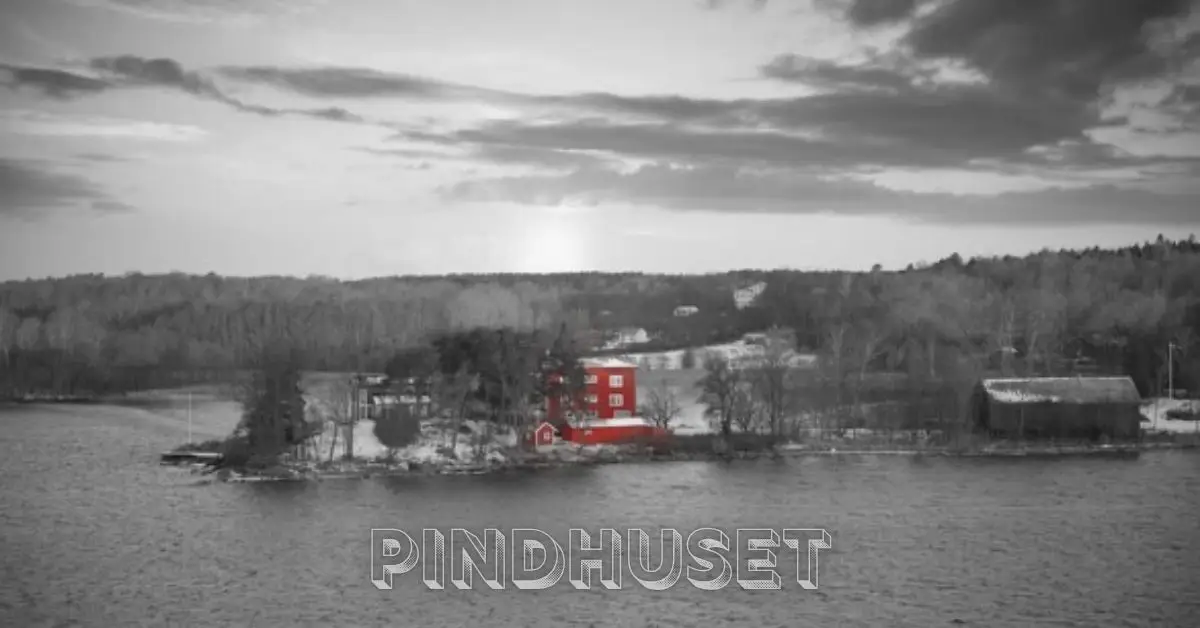
The concept of pindhuset has gradually gained attention among architects, cultural researchers, and sustainable living enthusiasts due to its unique blend of tradition, functionality, and environmental awareness. At its core, it represents more than just a physical structure—it reflects a way of thinking about space, community, and long-term livability. In modern discussions about housing and design, pindhuset is increasingly viewed as a model that connects heritage with innovation.
In many regions, the idea of such structures is deeply tied to rural simplicity and practical living, yet it also carries symbolic value. People are now revisiting pindhuset concepts to better understand how traditional knowledge can influence modern architecture. This renewed interest highlights the importance of balance between nature, culture, and human needs.
As urbanization accelerates, the relevance of pindhuset continues to grow in discussions around sustainable housing. It provides insights into how communities once built homes that were environmentally aligned and resource-efficient. Today, designers and thinkers are exploring how these principles can be adapted for modern use without losing their original essence.
The growing fascination with pindhuset also reflects a broader global shift toward mindful construction. Instead of focusing only on luxury or scale, there is now a stronger emphasis on meaning, efficiency, and ecological harmony.
Ultimately, understanding pindhuset is about rediscovering the connection between humans and their built environment in a way that is both practical and deeply cultural.
Will You Check This Article: MataRecycler: Transforming Waste into Sustainable Value
Understanding the Core Concept of Pindhuset
The foundation of pindhuset lies in its simplicity and purpose-driven design, where every element serves a functional and cultural role. It is not merely a structure but a representation of how people historically adapted their living spaces to local conditions, available materials, and environmental challenges. This makes pindhuset a valuable case study in traditional architecture.
At its core, pindhuset emphasizes harmony between human needs and nature. The materials used are often locally sourced, reducing dependency on external supply chains and minimizing environmental impact. This approach reflects an early understanding of sustainability long before it became a global concern.
Another defining aspect of pindhuset is its adaptability. Whether in rural landscapes or semi-urban settings, its principles can be modified without losing their identity. This flexibility has allowed the concept to remain relevant across generations.
Moreover, pindhuset often reflects social structures within communities. It is not just a private dwelling but sometimes a shared space that supports communal living and interaction. This reinforces the idea that architecture is deeply connected to social behavior.
In modern interpretations, pindhuset is increasingly seen as a bridge between old-world craftsmanship and new-age ecological design.
Historical Background and Evolution of Pindhuset
The history of pindhuset can be traced back to early settlement patterns where people relied heavily on natural resources for construction. These structures were built with wood, clay, straw, and stone, depending on the region. Over time, pindhuset became a symbol of practical rural living and self-sufficiency.
Historically, pindhuset was not influenced by industrial architecture but by necessity and survival. Communities developed building techniques that suited their climate and geography, making each structure unique yet functionally similar.
As societies evolved, pindhuset gradually began to decline in urban areas due to modernization and the rise of concrete-based construction. However, in rural regions, its influence remained strong, preserving traditional knowledge and craftsmanship.
Interestingly, modern historians and architects now revisit pindhuset to understand how ancient building methods achieved durability and comfort without advanced technology. This historical insight is reshaping modern sustainable design thinking.
Today, pindhuset stands as a reminder of architectural evolution, showing how human creativity has always adapted to environmental and social needs.
Architectural Design Principles of Pindhuset
The architectural framework of pindhuset is rooted in functionality, efficiency, and environmental harmony. Every design element serves a purpose, whether it is ventilation, insulation, or structural stability. This makes pindhuset a model of intelligent simplicity.
One of the key principles is the use of natural ventilation. Traditional pindhuset designs often include strategically placed openings that allow airflow, reducing the need for artificial cooling systems. This not only improves comfort but also enhances energy efficiency.
Another principle is modular construction. Many pindhuset structures are built in a way that allows expansion or modification over time. This adaptability ensures long-term usability without requiring complete reconstruction.
Material selection is also crucial. The use of locally available materials reduces transportation costs and environmental impact. In many cases, pindhuset construction relies on renewable or biodegradable resources.
Additionally, the spatial layout of pindhuset often reflects practical living needs, with clearly defined areas for cooking, sleeping, and storage, ensuring efficient use of space.
Cultural Significance of Pindhuset in Communities
Beyond its physical structure, pindhuset holds deep cultural meaning in many communities. It often represents tradition, identity, and continuity across generations. Families associate pindhuset with heritage and ancestral values passed down over time.
In many rural societies, pindhuset is not just a home but a gathering place where important decisions and celebrations take place. This strengthens social bonds and reinforces community unity.
The design and construction of pindhuset often involve collective effort, where neighbors contribute labor and materials. This shared responsibility reflects strong social cohesion and mutual support systems.
Culturally, pindhuset also symbolizes resilience. It represents the ability of communities to thrive with limited resources while maintaining dignity and comfort.
Even in modern contexts, the cultural essence of pindhuset continues to inspire designers who want to preserve traditional identity within contemporary architecture.
Modern Applications and Adaptations of Pindhuset
In recent years, pindhuset has found new relevance in sustainable architecture and eco-friendly housing projects. Architects are reinterpreting its principles to suit modern lifestyles while maintaining environmental responsibility.
One major application of pindhuset is in green housing developments. These projects integrate traditional design logic with modern materials to create energy-efficient homes.
Urban planners are also exploring how pindhuset concepts can be used in compact housing solutions. Its efficient use of space makes it suitable for densely populated areas where land is limited.
Furthermore, pindhuset inspires modular housing systems that can be quickly assembled and disassembled. This is particularly useful in disaster relief and temporary settlements.
Technology has also played a role in modernizing pindhuset, with digital design tools helping architects simulate traditional layouts with improved precision and durability.
Sustainability and Environmental Impact of Pindhuset
One of the strongest arguments for the continued relevance of pindhuset is its sustainability. It naturally aligns with eco-friendly principles due to its reliance on local and renewable materials.
The environmental footprint of pindhuset is significantly lower compared to conventional concrete structures. It requires less energy for construction and maintenance, making it a greener alternative.
Additionally, pindhuset promotes natural insulation, reducing the need for heating and cooling systems. This contributes to long-term energy savings and reduced carbon emissions.
Water management and land use are also more efficient in traditional pindhuset designs, as they are often adapted to local environmental conditions.
As climate change becomes a global concern, pindhuset offers valuable lessons in building responsibly while respecting natural ecosystems.
Challenges and Future Prospects of Pindhuset
Despite its advantages, pindhuset faces several challenges in modern adoption. One major issue is the lack of standardized construction methods, which makes large-scale implementation difficult.
Another challenge is the perception of pindhuset as outdated or less durable compared to modern buildings. This misconception limits its acceptance in urban development projects.
Economic constraints also play a role, as skilled craftsmanship required for pindhuset construction is becoming less common. This leads to higher labor costs and limited availability of expertise.
However, the future of pindhuset remains promising. With increasing interest in sustainable architecture, more researchers and designers are exploring ways to modernize its principles.
If properly integrated into urban planning and education, pindhuset could become a key model for environmentally responsible housing in the future.
Conclusion
pindhuset represents far more than a traditional building style—it embodies a philosophy of balance, sustainability, and cultural continuity. Its principles continue to inspire architects and communities seeking environmentally conscious living solutions.
The relevance of pindhuset in today’s world is undeniable, especially as societies move toward greener and more efficient housing models. By revisiting its origins and adapting its principles, modern design can achieve a better harmony between innovation and tradition.
Ultimately, pindhuset stands as a timeless reminder that the most effective solutions are often rooted in simplicity, respect for nature, and human-centered design.
Read More: Dollartimes.co.uk
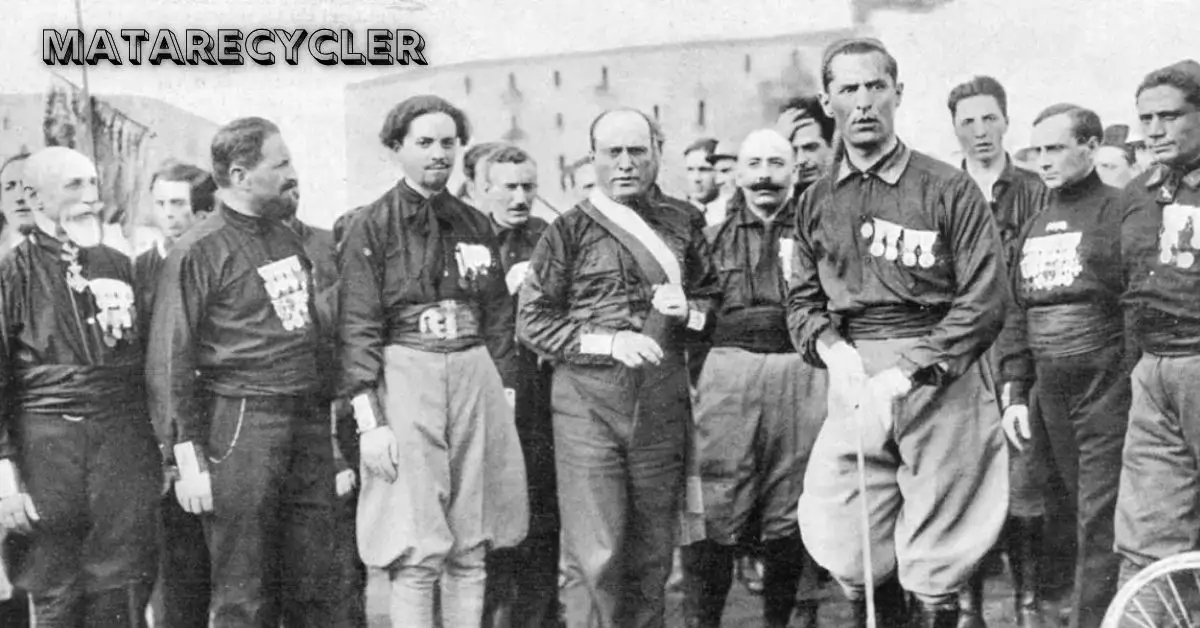
The story of authoritarian movements in Europe is one of the most complex and unsettling chapters of modern history. Among these movements, fascisterne emerged as a powerful political force that reshaped nations, societies, and global politics during the 20th century. Understanding how such ideologies gained traction helps explain not only historical events but also the warning signs of political extremism today.
In examining fascisterne, we uncover how economic instability, social unrest, and nationalist sentiment combined into a volatile mix that changed the course of history. The appeal of strong leadership and simplified national identity drew millions into supporting systems that promised order but often delivered oppression.
This article explores the origins, ideology, propaganda, impact, resistance, and decline of fascisterne in depth. By tracing their rise and fall, we gain insight into how such movements formed and why their legacy still matters in contemporary political discourse.
Origins of Fascisterne in Early 20th Century Europe
The rise of fascisterne can be traced back to the aftermath of World War I, a period marked by devastation, political instability, and economic crisis across Europe. Countries like Italy and Germany faced inflation, unemployment, and social fragmentation, creating fertile ground for radical ideologies. Many citizens felt betrayed by traditional governments that seemed unable to restore stability or national pride.
In this environment, fascisterne began to emerge as movements promising renewal, unity, and strength. They capitalized on fear, resentment, and national humiliation, particularly in nations that had suffered defeat or harsh peace settlements. Leaders positioned themselves as protectors of the nation, offering simple solutions to complex problems. This emotional appeal was far more powerful than traditional political discourse at the time.
The early development of fascisterne was also influenced by anti-communist sentiment. As socialism and communism gained popularity among working classes, conservative elites and middle-class citizens feared revolutionary upheaval. Fascist movements exploited this fear, presenting themselves as a barrier against left-wing revolution while simultaneously dismantling democratic institutions.
Will You Check This Article: Enntal: The Future of Digital Intelligence and Growth
Ideological Foundations of Fascisterne
At the core of fascisterne lay a set of ideological principles centered on nationalism, authoritarianism, and unity under a single leader. The idea of the nation was elevated above individual rights, with personal freedoms often subordinated to collective goals. This belief system rejected liberal democracy as weak and inefficient.
Another defining feature of fascisterne was the emphasis on hierarchy and discipline. Society was viewed as a structured organism where each individual had a predetermined role. Equality was dismissed in favor of order and obedience, and dissent was treated as a threat to national stability. This rigid worldview shaped both policy and everyday life.
Militarism also played a central role in fascist ideology. Violence was often glorified as a legitimate means of achieving political and national objectives. This mindset encouraged expansionist ambitions and justified aggressive foreign policy. Over time, these beliefs contributed to widespread conflict and devastation across Europe.
Fascisterne and Propaganda Mechanisms
One of the most powerful tools used by fascisterne was propaganda. Through newspapers, radio broadcasts, posters, and public rallies, they created carefully controlled narratives that shaped public opinion. These messages often emphasized national pride, unity, and the need for strong leadership.
The use of symbolism was particularly important. Flags, uniforms, slogans, and mass gatherings created a sense of belonging and emotional intensity. Citizens were not just persuaded intellectually but also emotionally, as propaganda targeted identity and loyalty. This helped solidify mass support even in difficult economic times.
Censorship was another key element in maintaining control. Independent media was restricted or eliminated, ensuring that only state-approved messages reached the public. This allowed fascisterne to maintain a monopoly on information, suppress criticism, and shape reality according to political goals.
Fascisterne in Italy and Germany Context
The most well-known examples of fascisterne emerged in Italy under Benito Mussolini and in Germany under Adolf Hitler. In Italy, fascism developed as a response to post-war instability and dissatisfaction with liberal governments. Mussolini’s movement emphasized nationalism, revival of Roman heritage, and authoritarian rule.
In Germany, fascisterne took a more radical and destructive form under National Socialism. Economic collapse during the Great Depression intensified public desperation, enabling extremist ideology to spread rapidly. The regime combined intense nationalism with racial ideology, leading to catastrophic consequences for Europe and the world.
Both cases demonstrate how fascisterne adapted to local conditions while maintaining core principles of authoritarian control. Despite differences in ideology and execution, both regimes relied on centralized power, propaganda, and suppression of opposition to maintain dominance. Their impact continues to shape historical memory and political analysis.
Social Impact and Civilian Life under Fascisterne
Daily life under fascisterne was heavily regulated, with the state influencing education, work, and personal behavior. Schools were used to indoctrinate youth with loyalty to the regime, emphasizing discipline, obedience, and national pride. Children were often enrolled in youth organizations that reinforced ideological conformity.
Economically, fascist regimes attempted to control production and labor relations while maintaining private ownership under strict supervision. While some infrastructure projects and industrial growth occurred, these developments were often tied to military expansion and state priorities rather than public welfare. Many citizens experienced limited personal economic freedom.
Social conformity was strongly enforced, and dissent was dangerous. Surveillance systems, informants, and secret police created an atmosphere of fear. Public life became a performance of loyalty, where deviation from accepted norms could lead to punishment. This environment deeply affected trust and social relationships within communities.
Resistance Movements Against Fascisterne
Despite strict control, resistance to fascisterne existed throughout occupied and authoritarian regions. Underground movements formed across Europe, consisting of political opponents, intellectuals, workers, and ordinary citizens who opposed oppression. These groups often operated in secrecy to avoid detection.
Resistance activities included distributing illegal literature, organizing strikes, and conducting sabotage operations. In many cases, resistance fighters collaborated across national borders, particularly during World War II. Their efforts played a crucial role in undermining fascist control and supporting liberation efforts.
The courage of resistance movements highlights the human desire for freedom even under extreme conditions. Although many faced imprisonment, torture, or execution, their actions contributed to the eventual downfall of fascist regimes. Their legacy remains a symbol of defiance against authoritarian rule.
Decline and Aftermath of Fascisterne
The decline of fascisterne began during World War II as military defeats weakened fascist regimes across Europe. The collapse of Axis powers marked the end of major fascist governments, leading to political restructuring and occupation by Allied forces. This period exposed the failures of authoritarian systems.
After the war, many countries underwent processes of denazification, legal trials, and political reform. Leaders associated with fascist regimes were prosecuted for war crimes and crimes against humanity. These efforts aimed to prevent the resurgence of similar ideologies in the future.
However, the legacy of fascisterne did not disappear entirely. In some regions, smaller movements and extremist groups continued to reference fascist ideas. This ongoing presence highlights the importance of historical awareness and democratic vigilance in preventing authoritarian resurgence.
Conclusion
The history of fascisterne serves as a powerful reminder of how political instability and social fear can lead to the rise of authoritarian ideologies. From their origins in post-war Europe to their devastating impact during global conflict, these movements reshaped nations and altered the course of history. Understanding their development helps societies recognize early warning signs of extremism.
Although fascisterne were ultimately defeated, their ideological and historical legacy continues to influence political discourse and academic study. The lessons drawn from this period emphasize the importance of democratic institutions, free expression, and civic engagement. Only through awareness and reflection can societies ensure that such systems do not return in similar forms.
Read More: Dollartimes.co.uk

Exploring Tasyyblack: A Deep Dive Into Digital Innovation and Modern Identity

Serlig Explained: Meaning, Uses, and Growing Importance

QLCredit Explained: Smart Borrowing Made Simpler

Dulcfold.com Reviewed: Smart Foldable Living or Empty Promise?

Senaven: The Art of Turning Your House Into a Serene Haven

Pagliaesque: The Bold, Provocative Style That Changed Cultural Criticism
-
 Tech2 days ago
Dulcfold.com Reviewed: Smart Foldable Living or Empty Promise?
-
 Travel2 days ago
Senaven: The Art of Turning Your House Into a Serene Haven
-
 Blog2 days ago
Pagliaesque: The Bold, Provocative Style That Changed Cultural Criticism
-
 Tech2 days ago
FiberNL: The Independent Fiber Provider Reshaping Dutch Internet
-

 Entertainment2 days ago
Caricatronchi: The Bold Digital Art Style Redefining Identity
-

 Tech2 days ago
Fontlu: The Modern Font Platform Designers Love
-
 Tech2 days ago
Enntal: The Future of Digital Intelligence and Growth
-

 Blog2 days ago
Fascisterne: Origins, Rise and Legacy Explained